


Introduction — The Growing Shift Towards Biodegradable Fabrics
Biodegradable fabrics are becoming the new voice of sustainability in the textile world. Most people now agree that the planet can’t handle more plastic-based clothes and non-biodegradable fabrics that stay in landfills for decades. That’s why the focus is shifting toward eco-friendly fabrics and materials with true biodegradability.
At textiletrendshub.com, we explore how biodegradable fabrics are helping brands and consumers choose a smarter, greener path. These sustainable fabric choices naturally break down after use, reducing pollution and saving energy.
This blog post will show how biodegradable fabrics differ from synthetic ones, why they matter for our future, and how they’re shaping the next era of sustainable fashion. Stay tuned—you’ll discover how every fabric choice can make a lasting impact on the Earth.
What Are Biodegradable Fabrics, and Why Do They Matter?
Biodegradable fabrics are materials that can safely return to nature after we finish using them. When thrown away, these biodegradable fabrics break down into natural elements like water, carbon dioxide, and organic matter—without leaving harmful plastic waste behind. This special ability, called biodegradability, helps reduce pollution and makes fashion truly eco-conscious.
Unlike synthetic materials that release microplastics, a biodegradable fabric disappears over time, protecting soil and water. These are often made from sustainable materials for clothes, such as cotton, hemp, bamboo, or silk. Because they are environmentally friendly fabric options, they help reduce the carbon footprint of clothing production.
More brands are now switching to biodegradable clothing because people want cleaner, greener fashion choices. The goal is not only to create stylish apparel but also to protect the planet from long-term damage.
In short, biodegradable fabrics show that what we wear can be both fashionable and kind to the Earth—a true step toward sustainable living.
List of Biodegradable Fabrics (Natural & Innovative Materials)
When we discuss biodegradable fabrics, we’re really exploring materials that nature itself can recycle. Unlike synthetics, these fabrics return safely to the earth after use. Below is a simple biodegradable fabrics list that shows how different fibres contribute to a cleaner planet.
1. Natural Fibres
a. Cotton:
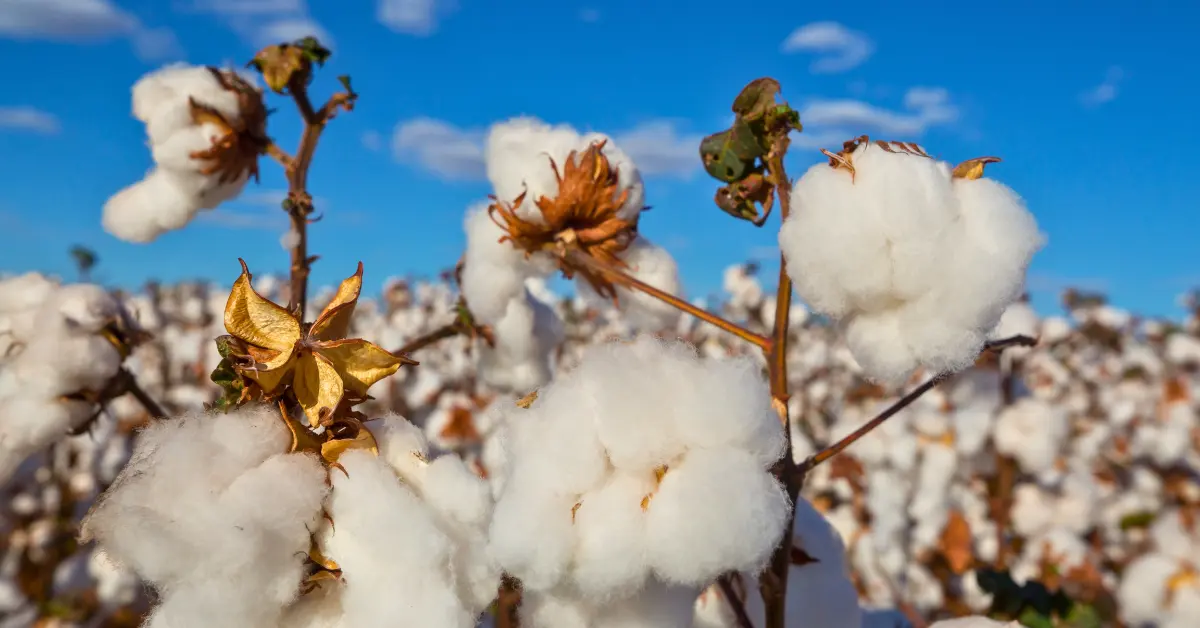
Many people ask, “Is cotton biodegradable?” — Yes, pure cotton breaks down easily, but when mixed with synthetics or coated with chemicals, it takes longer.
b. Wool:
Curious whether wool is biodegradable or not? It is! Wool decomposes naturally and even enriches soil with nitrogen.
c. Silk:
A luxurious yet biodegradable fabric, silk decomposes quickly in soil or water without leaving toxins.
2. Plant-Based Innovations
a. Hemp Fabric:
Made from sturdy hemp fibres, this material is strong, breathable, and completely eco-friendly. Modern hemp textile industries are now producing stylish, durable garments.
b. Bamboo Fabric:
Derived from bamboo fibre fabric, bamboo textiles, and bamboo cloth material, this soft fabric naturally resists bacteria and decomposes fast. It’s ideal for sustainable T-shirts, bedsheets, and towels.
3. Emerging Materials
a. Banana Fibre:
Extracted from banana stems, it’s lightweight, strong, and 100% biodegradable.
b. Piñatex:
Made from pineapple-leaf waste, Piñatex offers a cruelty-free leather alternative used in shoes and bags.
Several biodegradable clothing brands, such as Pangaia, Patagonia, and Bhumi, are already using these biodegradable fabrics to reduce fashion waste. These materials prove that sustainability and style can walk hand in hand.
How to Make Biodegradable Fabric — The Science & Process
If you’ve ever wondered how to make biodegradable fabric, the secret lies in choosing and processing natural materials correctly. The creation of biodegradable fabrics begins with renewable plant-based fibres such as cotton, hemp, and bamboo. These fibres are nature’s own gift because they possess biodegradability, which means they can safely return to the soil without leaving toxic residues.
To craft a durable yet planet-friendly biodegradable fabric, producers start by collecting and cleaning the raw fibres using water-based or enzymatic methods instead of synthetic solvents. Next, the fibres are spun into yarns and woven into cloth. The life cycle of cotton fabric clearly shows that cotton, when untreated by chemicals, can decompose within a few months, making it one of the easiest fabrics to recycle or compost.
Natural dyeing and eco-finishing come next. By avoiding plastic coatings and harmful colours, makers enhance the material’s ability to break down naturally. Bamboo fibre clothing and hemp textiles often use closed-loop systems that recycle water and reduce waste. The uses of hemp fibre extend from eco-wear and bags to interior décor, proving its strength and versatility.
Overall, biodegradable fabrics combine time-tested fibres with innovative green science, showing that sustainable fashion can be stylish, durable, and kind to the planet.
Biodegradable Fabrics in India — Market Growth & Innovations
Biodegradable fabrics are rapidly transforming India’s textile sector, opening doors to greener production and cleaner fashion. The rise of biodegradable fabrics in India shows how brands and manufacturers are embracing eco-friendly textiles to reduce waste, pollution, and the environmental footprint of the clothing industry. Consumers are now more conscious, preferring biodegradable clothing over conventional synthetic options.
India’s rich heritage in natural fibres gives it a unique advantage. Traditional cotton and jute industries are now being joined by modern innovations using hemp fibres and bamboo fibre material—two eco-conscious resources that require less water, minimal pesticides, and fewer chemicals to grow. These fibres are gaining popularity and forming the backbone of sustainable clothing materials across the country.
Government initiatives such as “Make in India” and the “Sustainable India Mission” encourage textile startups to adopt biodegradable fabrics, create innovative biodegradable clothing, and promote awareness about environmentally responsible fashion. Many Indian brands, including No Nasties, B Label, and Paaduks, are leading the charge by offering stylish, high-quality apparel that is fully biodegradable and eco-friendly. For a detailed market analysis and growth projections of biodegradable fabrics in India and globally, check out this comprehensive report by Global Insight Services.
Challenges and Future of Biodegradable Fabrics
Even though biodegradable fabrics are a greener alternative, they still face real-world challenges before becoming mainstream. Let’s break them down.
1. Cost Challenges
- Producing high-quality, sustainable fabric often costs more than synthetic options.
- Natural processing, eco-dyeing, and organic sourcing require higher investments.
2. Scalability Issues
- Many manufacturers can’t easily switch to biodegradable fabrics because they need new machinery and updated supply chains.
- Scaling production while keeping quality intact is still a major hurdle.
3. Low Consumer Awareness
- Most people don’t even know that biodegradable clothing exists or why it matters.
- More education and visibility can drive faster adoption of eco-friendly fabrics.
4. Policies and Certifications
- Governments and textile authorities are promoting biodegradable fabrics through supportive policies.
- Global certifications help verify biodegradability, ensuring brands meet environmental standards.
- These certifications build trust and guide consumers toward responsible purchases.
Looking Ahead: The Future (2025–2030)
- The future of biodegradable fabrics looks promising with rapid innovations in sustainable clothing material and plant-based fibres like hemp and bamboo.
- As awareness grows, both brands and consumers will support a cleaner, sustainable fashion ecosystem.
- By choosing biodegradable fabrics, we can reduce textile waste and protect the planet for future generations.
India’s Role in the Sustainable Revolution
With rising consumer awareness, advanced fibre technologies, and government support, biodegradable fabrics are set to redefine India’s place as a global hub for eco-friendly textiles.
By adopting these fabrics in daily wear, India can significantly cut down textile waste while inspiring the world toward true sustainability.
Conclusion — The Future of Sustainable Fashion
The future of fashion clearly points towards biodegradable fabrics and sustainable fabric choices that protect our planet. As consumers become more aware, selecting clothes made from biodegradable fabrics is no longer just a trend—it’s a responsibility.
From everyday wear to high-fashion collections, these eco-conscious choices reduce waste, support eco-friendly fabrics, and minimise the harmful effects of synthetic textiles. Every small step counts, whether it’s choosing hemp fabric, bamboo fabric, or other natural fibres that naturally decompose.
To stay informed and make smarter clothing choices, explore more about sustainable fabrics and innovations in the textile industry at textiletrendshub.com—your guide to a greener, cleaner wardrobe.
Curious to learn how biodegradable fabrics fit into the larger world of sustainable fashion? Dive into our in-depth guide—Sustainability of Fabrics: Eco-Friendly Future of the Textile Industry—and discover how every fabric choice can shape a greener tomorrow.

Q1. What are biodegradable fabrics, and why do they matter?
These are eco-friendly materials that safely return to nature after use. Instead of creating plastic waste, they break down into water, carbon dioxide, and organic matter, leaving the planet cleaner. They matter because they help reduce pollution and make clothing production more sustainable.
Q2. How do biodegradable materials differ from synthetic ones?
The difference lies in decomposition. Natural materials like cotton, hemp, or bamboo decompose naturally, while synthetic fibres such as polyester remain in landfills for years. Choosing natural options helps cut down textile waste and protect the environment.
Q3. Is cotton biodegradable?
Yes—but only when it’s pure and untreated. Natural cotton breaks down quickly, whereas chemically coated or blended cotton takes longer. Using untreated cotton supports greener fashion and lowers environmental impact.
Q4. Which fabrics are considered the most sustainable?
Some top examples include cotton, wool, silk, hemp, bamboo, banana fibre, and Piñatex (made from pineapple leaves). These fibres are known for being earth-friendly and safe for the environment after disposal.
Q5. What are some innovative plant-based textiles?
New-age materials such as hemp fabric and bamboo fabric are transforming the textile scene. Hemp textiles are durable and breathable, while bamboo fibres create soft, antibacterial clothing that decomposes easily.
Q6. How are sustainable fabrics made?
They are crafted from renewable plant fibres that go through gentle cleaning using water-based or enzymatic methods. The fibres are spun into yarn, woven into cloth, and finished without harmful chemicals, ensuring the material can return safely to the soil.
Q7. Which brands are leading in eco-friendly clothing?
Brands like Pangaia, Patagonia, Bhumi, No Nasties, and B Label design clothing that decomposes naturally. They’re proof that style and sustainability can go hand in hand.
Q8. What challenges do sustainable fabrics face today?
Main hurdles include high production cost, limited manufacturing capacity, and low consumer awareness. Many factories still need new technology, and buyers must learn why green materials matter for the planet.
Q9. How will the fabric industry change between 2025 and 2030?
Expect major growth in plant-based fibres and recycled clothing materials. As technology improves and awareness spreads, eco-conscious clothing will become more affordable and mainstream.
Q10. How is India contributing to the biodegradable fabric movement?
India is becoming a global hub for eco-friendly textiles. With traditional strengths in cotton and jute and growing industries around hemp and bamboo fabrics, India is promoting sustainable fashion through government initiatives like Make in India and the Sustainable India Mission. This shift is helping reduce textile waste and encourage responsible fashion choices.


