


Introduction
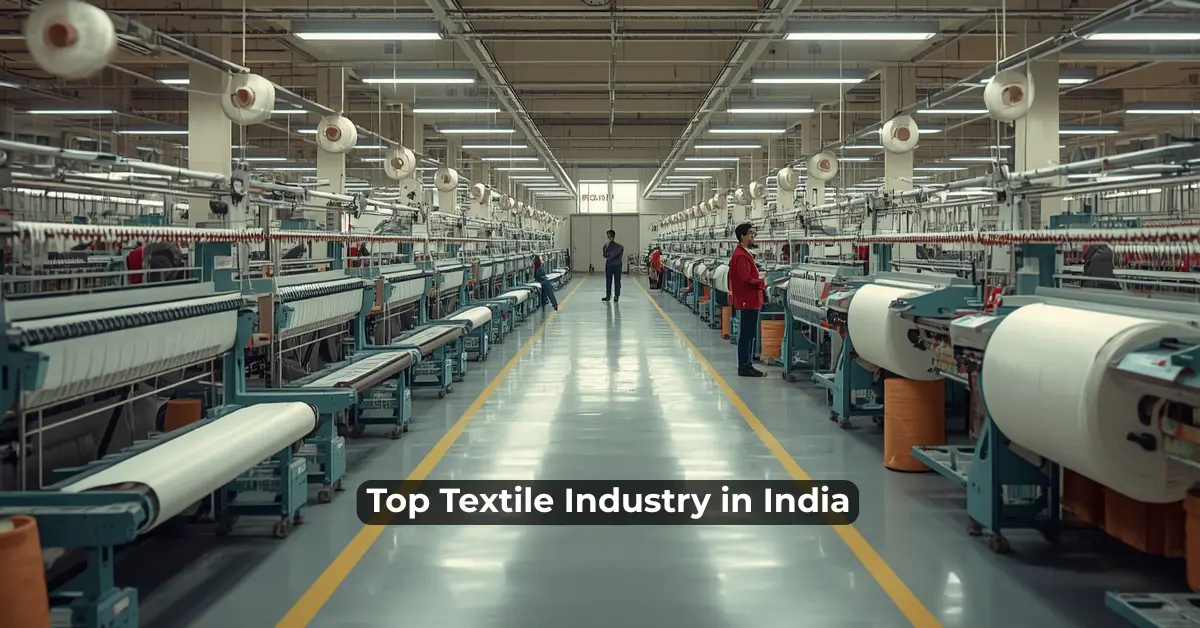
The top textile industry in India is growing rapidly and has become a key pillar of the global textile industry. India is known not only for its traditional fabrics but also for its strong presence in the modern textile industry, making it one of the most influential markets worldwide. This introduction to the textile industry will help you understand how India is shaping the future of textiles.
Many people are curious about how the top textile industry in India operates, which companies dominate the market, and which cities drive this growth. With rising demand, expanding exports, and innovation in textile manufacturing in India, the industry is evolving faster than ever. From cotton and silk to synthetic and technical fabrics, the textile industry offers massive opportunities for businesses, investors, and job seekers.
In this blog post, you will explore the top textile industry in India, including its major segments, leading companies, important textile hubs, and future growth trends. India has one of the largest textile industries in the world, and understanding its structure can give you a clear advantage whether you are a student, entrepreneur, or investor looking to enter the textile industry in India. For more detailed insights and updates, you can also explore trusted resources like textiletrendshub.com, which regularly shares valuable information about the latest trends and developments in the textile industry.
Top Textile Industry in India: Complete Overview
The top textile industry in India is one of the largest and most important parts of the Indian textile industry, playing a major role in the country’s economy. It is a huge textile sector that includes everything from raw materials to finished clothing. The top textile industry in India is well-structured and supports millions of people through jobs and business opportunities.
The structure of the textile sector in India is divided into two main parts: organised and unorganised. The organised sector includes large factories and companies, while the unorganised sector includes small weavers, artisans, and local businesses. Both parts together make the top textile industry in India very strong and diverse.
The value chain of the Indian textile industry starts from fibre production, such as cotton and synthetic materials. Then it moves to yarn-making, fabric production, and finally garment manufacturing. This full process is known as ‘textile production in India’, and it helps the country become a global leader in textiles.
Today, the textile market in India is growing rapidly due to rising demand, exports, and innovation in textile manufacturing in India. The textile sector provides employment to millions and also supports the garment industry in India, which is a key part of fashion and exports. Overall, the textile sector in India continues to expand with new technologies and global opportunities.
Key Segments in the Textile Industry in India
The top textile industry in India is made up of multiple segments, each contributing to its strong growth and global position. These major textile industries in India play a key role in employment, exports, and innovation. By understanding these segments, you can clearly see how the industry is structured and why it continues to expand rapidly.
1. Cotton Industry
The cotton sector is the backbone of the top textile industry in India. It plays a major role in making India one of the biggest textile industries in India in terms of production and demand. India is one of the largest producers of cotton, which supports thousands of textile mills in India. Cotton fabrics are widely used because they are comfortable, breathable, and affordable. Many textile manufacturers in India rely heavily on cotton to meet both domestic and international demand, making this segment extremely important.
2. Synthetic Industry
The synthetic textile segment is growing very fast in the textile industry in India. Materials like polyester, nylon, and rayon are becoming popular because they are durable and cost-effective. Many modern fabric companies in India focus on synthetic fabrics to meet the needs of fast fashion and exports. This segment is important because it helps the industry scale production and compete globally.
3. Silk Industry
The silk sector is one of the most valuable major textile industries in India. India is known for producing high-quality silk, especially in states like Karnataka. Silk fabrics are mainly used for premium clothing such as sarees and wedding wear. This segment adds luxury value to the top textile industry in India and supports skilled artisans across the country.
4. Handloom Sector
The handloom sector reflects the cultural richness of the top textile industry in India. It provides employment to millions of rural workers and artisans. Unlike machine-made fabrics, handloom products are handmade, which makes them unique and high in demand. Many small-scale textile manufacturers in India and traditional textile mills in India are linked to this sector, making it socially important.
5. Technical Textiles
Technical textiles represent the future of the top textile industry in India. These are used in industries like healthcare, construction, and defence. Examples include medical fabrics, safety gear, and industrial textiles. This segment is growing rapidly due to innovation and increasing demand, helping the industry move beyond traditional uses and expand into advanced applications.
Together, these segments form the foundation of the top textile industry in India, making it diverse, powerful, and full of future opportunities.
Top Textile Hubs and Cities in India
The growth of the top textile industry in India is strongly supported by several major cities that act as the backbone of production and exports. These cities are known as the textile hubs of India because they specialise in different types of fabrics and play a key role in the supply chain.
1. Surat
Surat is one of the biggest textile city of india, especially famous for synthetic fabrics like polyester. It is considered a major textile hub of India because a large portion of India’s fabric production happens here, making it a centre for affordable and mass production.
2. Tiruppur
Tiruppur, located in Tamil Nadu, is known as the knitwear capital of India. This textile city of India focuses mainly on garment exports, supplying products to global brands. It plays an important role in strengthening the top textile industry in India through international trade.
3. Ahmedabad
Ahmedabad has a long history in cotton textiles and is often called the “Manchester of India”. It is a strong textile hub of India with many mills and factories contributing to large-scale cotton production.
4. Ludhiana
Ludhiana is famous for woollen garments like sweaters and jackets. It supports the winter wear segment and is an important part of the top textile industry in India.
5. Varanasi
Varanasi is known for its traditional silk sarees and handloom products. This city adds cultural and heritage value to the textile industry in India.
These hubs are important because they boost exports, create jobs, and specialise in different textile segments, making India a global leader in the textile sector.
To learn more about the major textile manufacturing cities, industry clusters, and market growth across the country, explore our detailed guide on the textile hub of India and discover how these textile cities support India’s growing textile sector.
Top Textile Companies in India (Leading Players & Brands)
The top textile industry in India is powered by some of the most trusted and well-established textile companies in India. These companies play a major role in shaping the market, driving innovation, and expanding India’s global presence. If you are searching for the top 10 textile companies in India, this section will give you a clear and simple overview.
Here are some of the most popular textile company names that dominate the industry:
- Reliance Industries Limited – Known as one of the largest textile company in India, it leads in polyester and synthetic textiles. It is often considered the biggest textile company in India due to its scale and global reach.
- Arvind Limited – A well-known name among textile brands in India, famous for denim and sustainable fabric production.
- Raymond Limited – One of the premium textile companies in India, known for high-quality suiting fabrics and strong brand value.
- Vardhman Textiles – A key player in yarn and fabric manufacturing, making it one of the largest textile company in India in this segment.
- Welspun India – A global leader in home textiles, also counted among the top 10 textile companies in India.
These companies are not just part of the top 5 textile companies in India but also consistently rank among the top 20 and top 50 textile companies in India due to their strong performance and market presence.
The success of these textile companies in India comes from innovation, export strength, and adapting to modern trends. Many of these textile brands in India are now focusing on sustainability and advanced manufacturing technologies, which further strengthens the top textile industry in India.
Overall, understanding these textile company names helps you identify the biggest textile company in India and the key players driving growth. These leading textile companies in India continue to shape the future of the textile industry in India with their strong foundation and global vision.
Along with these companies, you can also explore the role of textile mills in India to understand how actual fabric production happens at the ground level.
Textile Stocks and Investment Opportunities in India
The top textile industry in India is not only important for manufacturing but also creates strong opportunities for investors through textile stocks. Many people today are showing interest in this sector because it offers steady growth, rising demand, and long-term investment potential.
Investors are attracted to textile stocks in India because the textile industry is expanding due to exports, government support, and increasing demand for fabrics and garments. As India becomes a global textile hub, the value of textile shares is also expected to grow. This makes textile stocks a good option for both beginners and experienced investors.
Some of the top 10 textile stocks in India include companies like Reliance Industries, Vardhman Textiles, Arvind Ltd, and Raymond. These companies are also part of the top 5 textile stocks in India due to their strong market performance and brand value. If you look deeper, you will also find many companies listed under the top 20 textile stocks in India, offering more choices for diversification.
The growth of the top textile industry in India directly impacts the performance of textile stocks in India, making it an attractive sector for long-term investors. As the textile industry continues to expand with innovation and global demand, investing in the right textile companies can provide stable and profitable returns over time.
Why India’s Textile Sector is Growing Rapidly
The top textile industry in India is growing fast because of strong support from the government and increasing global demand. One of the biggest reasons behind this growth is the various government schemes that aim to boost the textile sector in India. Programmes like production-linked incentives (PLI) and PM MITRA are helping businesses expand and improve their production capacity.
Another major factor is export growth. India exports a wide range of products, from cotton fabrics to ready-made garments. The rising demand in international markets is pushing the top textile industry in India to grow even further. The garment industry in India plays an important role here, as it contributes a large share to total textile exports.
Sustainability is also becoming a key driver. Many companies are now focusing on eco-friendly fabrics and processes. This shift is making the textile sector in India more future-ready and globally competitive.
Lastly, increasing demand from both domestic and global markets is boosting the Indian garment industry. As fashion trends change and people buy more clothing, the industry continues to expand, creating new opportunities for growth and innovation.
Challenges Faced by the Textile Industry in India
The top textile industry in India is growing fast, but it also faces several important challenges. One major issue is the rising cost of raw materials like cotton and synthetic fibres. These cost fluctuations directly affect textile manufacturing companies in India, making production more expensive and reducing profit margins.
Another big challenge is global competition. Countries like China and Bangladesh offer cheaper production, which puts pressure on the top textile industry in India to stay competitive in international markets. Many textile manufacturing companies in India are now focusing on improving quality and efficiency to overcome this challenge.
Environmental concerns are also increasing. The textile industry uses a lot of water and chemicals, which can harm nature if not managed properly. Strict government rules and sustainability demands are pushing companies to adopt eco-friendly practices.
To succeed, the industry must balance cost, competition, and sustainability while continuing to grow and innovate.
Top Textile Industries in the World vs India
When we compare the top textile industries in the world, countries like China, India, and Bangladesh play a major role. China is currently the leader in the top textile industry in the world because of its advanced technology, large-scale production, and strong export network. Bangladesh is also growing fast, especially in the garment sector, due to low labour costs and high export demand.
However, the top textile industry in India has its own unique strengths. India has a rich heritage of textiles, a wide range of raw materials like cotton and silk, and a strong domestic market. The textile industry in India also benefits from skilled labour and government support.
At the same time, India faces some gaps, such as slower adoption of advanced technology and higher production costs compared to China. Still, with growing innovation and sustainability trends, India is steadily improving its position in the global textile industry and competing strongly with other countries.
Conclusion
To sum up, the top textile industry in India has become one of the most important parts of the global textile industry. It is growing fast with the help of strong demand, skilled workers, and new ideas in fabrics and production. The top textile industry in India is not only supporting businesses but also creating many job opportunities across the country.
Looking ahead, the future of this industry looks bright as India continues to improve quality, technology, and exports. If you want to understand more in a simple and practical way, you can explore textiletrendshub.com, where you will find useful and easy-to-understand information about the textile industry and its latest trends.
Want to learn more about the complete journey of the textile industry in India? Read our in-depth article: “Unveiling the Textile Industry in India: Economic Impact, Growth Milestones, and Prospects.”

Q1. What is the textile industry in India?
The textile industry in India is a large sector that includes everything from raw materials like cotton and silk to finished garments and fabrics. It plays a major role in the country’s economy, employment, and exports, making it one of the most important industries in India.
Q2. Why is the top textile industry in India growing so fast?
The top textile industry in India is growing quickly due to rising global demand, strong exports, and government support. New technologies and increasing interest in sustainable fabrics are also helping the industry expand faster than before.
Q3. Which are the major segments in the textile industry in India?
The textile industry in India is divided into key segments like cotton, synthetic, silk, handloom, and technical textiles. Each segment contributes to production, employment, and exports, making the industry diverse and strong.
Q4. Which city is known as the textile hub of India?
Cities like Surat, Tiruppur, Ahmedabad, Ludhiana, and Varanasi are known as major textile hubs of India. Each city specialises in different products, such as synthetic fabrics, knitwear, cotton textiles, woollen garments, and silk sarees.
Q5. What are technical textiles, and why are they important?
Technical textiles are fabrics used for industrial purposes like healthcare, construction, and defence. They are important because they represent the future growth of the textile industry and help expand beyond traditional clothing.
Q6. Which are the top textile companies in India?
Some of the top textile companies in India include Reliance Industries, Arvind Limited, Raymond Limited, Vardhman Textiles, and Welspun India. These companies are known for their strong market presence, innovation, and global reach.
Q7. What are textile stocks in India?
Textile stocks in India are shares of companies involved in the textile sector. Investors are interested in these stocks because the industry shows steady growth, export potential, and long-term opportunities. This also reflects the strength of the top textile industry in India.
Q8. What challenges does the textile industry in India face?
The textile industry in India faces challenges like rising raw material costs, global competition, and environmental concerns. To overcome these, companies are focusing on efficiency, quality, and sustainable practices.
Q9. How does India compare to the top textile industries in the world?
While countries like China lead in large-scale production, the top textile industry in India stands out due to its diverse raw materials, skilled workforce, and strong domestic market. India is steadily improving its position globally.
Q10. Is the textile industry in India a good career or business option?
Yes, the textile industry in India offers many opportunities in areas like manufacturing, design, exports, and business. With continuous growth and innovation, the top textile industry in India is becoming a promising sector for students, entrepreneurs, and investors.


