


Introduction
The latest traditional fashion trends in India are not just about what people wear at weddings or festivals. From comfortable kurtas for busy days to elegant sarees for special occasions, traditional clothing is finding a place in many parts of everyday life. The best part? You can give a classic outfit a fresh look without losing its cultural charm.
Whether you prefer simple daily wear, graceful ethnic outfits or detailed festive clothing, this guide will help you explore traditional styles, choose suitable fabrics and find easy ways to style your outfits for different occasions.
Latest Traditional Fashion Trends in India
Traditional fashion includes many clothing styles, and there is no single look that suits everyone. Some people prefer simple outfits for everyday use, while others enjoy detailed designs and rich fabrics for celebrations.
Here are a few style directions to explore:
- Lightweight traditional outfits: Cotton kurtas, simple suits and lighter sarees can be practical for regular wear.
- Classic designs with updated details: Familiar outfits can feel fresh with different sleeve styles, borders, prints or cuts.
- Comfort-focused fits: Easy-to-move-in clothing can work well for long days, travel and family events.
- Traditional pieces styled in new ways: A kurta, dupatta or saree can look different when paired with new accessories or footwear.
- Handloom and natural-fibre choices: Cotton and handloom fabrics offer texture and a connection to textile-making traditions.
These are useful styling directions, not a fixed list of trends that everyone must follow. Choose the styles that suit your comfort, budget and occasion.
For a wider overview of changing styles across India, explore our guide to new fashion trends in India.
Why Traditional Fashion is Evolving in India
Traditional clothing changes as people’s routines and needs change. Many people want outfits that feel connected to their culture but are also easy to wear in modern daily life.
Everyday use: Kurtas, cotton suits and simple sarees can be styled for work, shopping, family visits or casual outings. Lighter fabrics and simple designs can be useful when you need to wear an outfit for several hours.
Personal styling: The same traditional outfit can look different with a change of dupatta, jewellery, footwear or layering. This gives people room to express their own taste while keeping the traditional garment.
Occasion-based choices: Weddings, festivals and family celebrations often call for different levels of detail and formality. Some people prefer embroidered outfits for special events and simpler clothing for everyday use.
Traditional fashion is not one fixed style. It includes many regional, personal and practical choices.
Key Latest Traditional Fashion Trends in India
1. Sarees for Everyday and Special Occasions
Sarees are worn in many different ways across India. For regular use, a person may prefer a lightweight cotton saree or a simple design that is easier to manage. For a celebration, a saree with a detailed border, richer fabric or decorative work may suit the occasion.
When choosing a saree, consider its weight, drape, fabric and how long you will wear it. A comfortable blouse and suitable footwear can also make a difference to the overall outfit.
2. Kurtas, Salwar Suits and Traditional Sets
Kurtas and salwar suits are flexible choices for everyday wear, office settings and family occasions. A straight kurta with trousers can create a simple look, while a suit with a dupatta can feel more dressed up.
For daily use, look for breathable fabrics, a comfortable fit and designs that are easy to wash and maintain. For festive occasions, you can choose more detailed embroidery, decorative necklines or richer colours.
3. Lehengas and Festive Traditional Wear
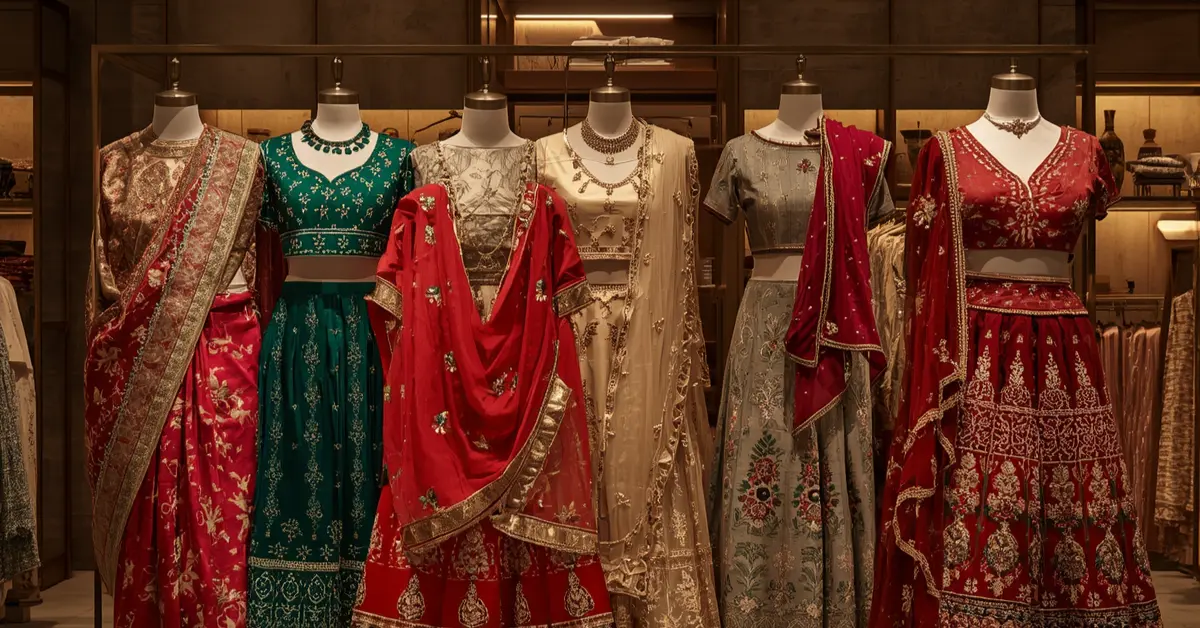
Lehengas and other detailed traditional outfits are often chosen for weddings, festivals and celebrations. Their appearance can vary based on fabric, embroidery, silhouette, colour and accessories.
If the event involves long hours of standing, sitting or moving, consider the outfit’s weight and comfort as well as its appearance. A balanced combination of clothing and accessories can help you enjoy the occasion without feeling restricted.
4. Regional Clothing and Traditional Details
India has a wide range of regional clothing traditions. Saree draping styles, textiles, prints, embroidery and garment shapes can differ across regions and communities.
Traditional details may include handwoven textures, distinctive borders, regional motifs or craft techniques. Exploring these elements can help you understand the variety within Indian clothing instead of treating traditional fashion as one uniform style.
For a broader look at ethnic and fusion clothing, read our guide to the latest ethnic fashion trends in India.
Traditional Outfits for Daily Wear
A traditional outfit for daily use should fit your routine. Think about the weather, how much movement your day involves and how much time you want to spend maintaining your clothes.
Here are a few simple combinations:
- For a regular day: A cotton kurta with straight trousers and comfortable sandals.
- For work or college: A simple kurta with well-fitted bottoms and minimal accessories, depending on the dress code.
- For a family visit: A printed suit or a simple saree with a comfortable blouse.
- For travel: A lightweight outfit that allows easy movement and does not need constant adjustment.
You do not need a new outfit for every occasion. Repeating a favourite garment with a different dupatta, footwear or accessory can create variety while keeping spending practical.
Wedding and Festive Traditional Styles
For weddings and festivals, people may choose outfits with richer colours, decorative borders, embroidery or special fabrics. The right choice depends on the event, the weather, personal comfort and the level of formality.
For a daytime celebration, a lighter outfit may feel more comfortable. For an evening event, some people prefer deeper colours or more detailed work. If you are attending a long function, consider the weight of the garment, the fit and whether the footwear will be comfortable for several hours.
Accessories can complete the look, but they do not need to be excessive. Choose pieces that work with the outfit rather than competing with every detail.
How to Style Traditional Outfits in a Modern Way
Small styling choices can change the overall feel of traditional clothing. You can try these simple ideas:
- Balance the details: If your outfit has heavy embroidery or a bold print, keep some accessories simple.
- Choose comfortable footwear: Juttis, mojaris, sandals or other suitable footwear can complement traditional clothing. Pick what works for the occasion and your comfort.
- Use layering thoughtfully: A jacket, shawl or dupatta can add another layer, especially when the weather or event calls for it.
- Pay attention to fit: An outfit that fits comfortably often looks more put together and is easier to wear.
- Repeat and restyle: Try pairing an existing kurta or saree with different accessories before buying something new.
For more contemporary outfit ideas, explore our guide to the latest Western fashion trends in India.
How to Choose a Traditional Dress That Suits You
The right traditional outfit is not simply the one that is popular. It is the one that works for your needs and makes you feel comfortable.
Before choosing an outfit, consider:
- Occasion: Is it for daily wear, work, a family gathering, a wedding or a festival?
- Fabric: Will the material feel comfortable in the weather and during the event?
- Fit and movement: Can you sit, walk and move easily in the outfit?
- Care: Does it need special washing, ironing or storage?
- Budget: Can you wear it in more than one way and use it again?
Thinking about these points can help you choose clothing that suits your routine instead of buying something only because it is described as trending.
Traditional Fashion and Women’s Outfit Ideas
Women may choose different traditional outfits depending on their daily routine, personal style and the occasion. A simple cotton kurta can work for an ordinary day, while a saree, suit or lehenga may suit a celebration.
If you are looking for outfit inspiration focused specifically on women’s everyday, Western, ethnic and fusion styling, read our guide to Latest Fashion Trends for Women in India.
For younger readers, our guide to the latest fashion trends for girls in 2026 covers age-focused outfit ideas and styling inspiration.
Conclusion
The latest traditional fashion trends in India are best understood through the many ways people wear and style classic clothing. Sarees, kurtas, salwar suits, lehengas and regional garments can all be part of everyday routines or special occasions. Fabric, fit, comfort and personal taste matter just as much as appearance.
You can keep traditional clothing relevant by choosing outfits that suit your life and restyling pieces you already own. For a wider overview of changing styles and fashion directions, explore our guide to current fashion trends in India.

Q1. What are the latest traditional fashion trends in India?
Traditional clothing can be styled in many ways, from lightweight everyday kurtas and simple sarees to detailed festive outfits. Comfort, fabric, fit and personal styling are useful factors when choosing what to wear.
Q2. Which traditional outfits are suitable for daily wear?
Cotton kurtas, simple salwar suits and lightweight sarees can be suitable for daily wear. Choose a comfortable fit and fabric that works for your routine and local weather.
Q3. How can I style traditional clothes in a modern way?
Try changing the accessories, footwear or layering. For example, you can style a kurta with different trousers or use a jacket or dupatta to create a different look.
Q4. What should I wear to a traditional wedding or festival?
The choice depends on the event, weather and your comfort. Sarees, suits and lehengas are some options. Consider the outfit’s weight, fit and how easily you can move in it.
Q5. How do I choose a traditional dress for women?
Start with the occasion, fabric, fit, care needs and budget. Choose something that feels comfortable and can be worn confidently, rather than selecting an outfit only because it is described as trending.


