


Introduction
In today’s world of innovation, e-textiles are transforming the way we dress, communicate, and interact with our surroundings. These advanced fabrics, also known as electronic textiles, combine wearable technology with fashion—turning ordinary clothes into powerful wearable devices. From fitness shirts that track your heartbeat to jackets that light up for safety, this technology is bringing the future closer than ever.
You’ll agree that fashion isn’t just about looks anymore—it’s about intelligence. E-textiles merge comfort with smart functionality, making our daily wear more responsive and interactive. Whether it’s sportswear monitoring performance or healthcare garments tracking vital signs, the use of smart textiles is reshaping every industry.
At textiletrendshub.com, we explore how this revolution is changing the global textile landscape. In this blog post, you’ll discover what e-textiles really are, how they work, where they’re used, and what the future holds.
For a broader view, check our detailed blog post “Smart Textiles: The Future of Fashion, Healthcare & Innovation“.
What are E-Textiles?
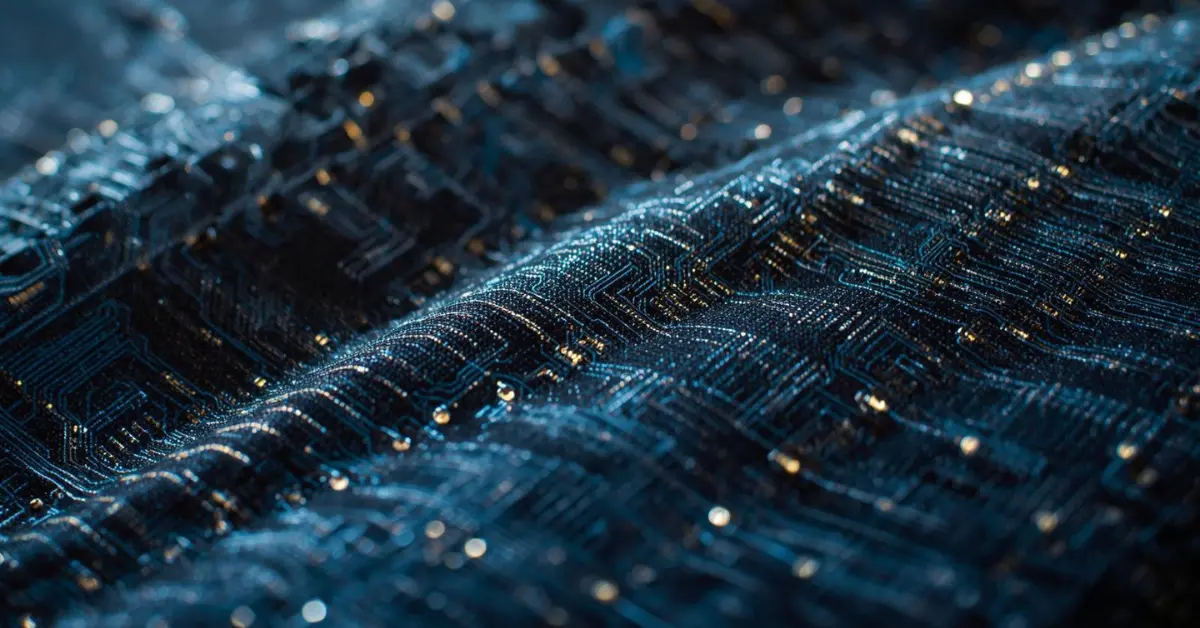
E-textiles are special fabrics that have electronic parts woven or printed directly into them. These components, such as sensors, batteries, and circuits, help the cloth perform new functions—like checking your heartbeat, counting steps, or lighting up in the dark. Simply put, electronic textiles turn normal fabric into a type of smart clothing that can sense, react, and connect with other devices.
To understand them better, let’s look at how they differ from smart textiles. While smart textiles can respond to changes in the environment—like changing colour or adjusting warmth—e-textiles actually have tiny electronic systems built inside. This means they can collect data, store information, and communicate with smartphones or other smart garment systems.
There are many e textiles examples around us. Think of a shirt that tracks your heart rate during exercise or socks that warn athletes about muscle strain—both are amazing e textiles examples of how technology meets comfort. Some e-textile clothing is even washable and flexible, making it practical for daily use.
Technology Behind E-Textiles
The magic of e-textiles lies in how technology and fabric come together. These electronic textiles are not just stylish—they are smart, flexible, and built with advanced materials that bring innovation to life. Let’s look at how these fabrics actually work.
1. Conductive Yarns and Fabrics
At the heart of e-textile products are special conductive yarns. These threads are coated with metals like silver or copper, allowing electricity to pass through safely. This helps the fabric connect different parts like sensors, LEDs, or tiny circuits without using thick wires.
2. Integrated Circuits and Microcontrollers
Electronic textiles often use micro-sized chips called microcontrollers. These act like the brain of the fabric, collecting data and sending signals. For example, in tech wearables, the circuit inside a shirt can track your heartbeat and send results to your phone through wearable devices technology.
3. Flexible Sensors and Smart Connections
Sensors in smart wearable devices can detect temperature, movement, or pressure. They are light and flexible, making them comfortable to wear. Some wearable tech even allows users to control music or answer calls through their sleeves!
Today, several e-textile products are being designed with washable sensors and rechargeable batteries. Many examples of e-textiles are available in the Indian market through leading e-textile companies, proving how fast innovation is entering everyday fashion.
These innovations are pushing the limits of smart fabrics, creating endless opportunities in fashion, health, and sports. With every new design, technology is becoming softer, smarter, and closer to our skin.
How E-Textiles Work
Understanding how e-textiles function is easier than it seems. These innovative fabrics combine threads, sensors, and circuits to make our clothes “smart”. Simply put, electronic textiles act like mini computers woven into the fabric you wear. Let’s see how they work step by step.
1. Power Supply: The Energy Source
Every piece of smart wearable technology needs power to function. In electronic textiles, this energy usually comes from tiny batteries, solar cells, or wireless charging systems. Some advanced wearable devices even harvest energy from body movement or heat. For example, a jacket can charge itself as you walk. The goal is to make power systems lightweight, flexible, and safe to wear.
2. Communication and Data Transfer
Every piece of smart wearable technology needs power to function. In electronic textiles, this energy usually comes from tiny batteries, solar cells, or wireless charging systems. Some advanced wearable devices even harvest energy from body movement or heat. For example, a jacket can charge itself as you walk. The goal is to make power systems lightweight, flexible, and safe to wear.
3. Sensors and Interaction with Devices
The real magic happens through sensors. These tiny components detect motion, pressure, or temperature. When combined with smart fabrics, they create electronic clothing that responds intelligently—like gloves that control music or shirts that measure stress levels. This kind of wearable technology definition shows how wearable devices can make life easier and more connected.
In short, e-textiles work by merging fabric with electronic systems, making clothing both comfortable and high-tech—one of the biggest leaps in wearable technology today.
Applications of E-Textiles
E-textiles have opened new possibilities where clothing isn’t just for style—it’s also smart, interactive, and useful. The real power of electronic textiles lies in how they can be applied across different industries to improve comfort, safety, and performance. Let’s explore how these advanced fabrics are being used in the real world.
1. Military: Wearable Health & Communication Devices
In the defence sector, electronic textiles play a vital role in improving soldier safety. Smart uniforms equipped with smart wearable devices can track heart rate, body temperature, and movement during missions. These smart garments can also include sensors and communication circuits that send real-time health data to command centres. This helps the army respond faster in emergencies and monitor soldiers’ physical conditions without bulky machines.
2. Healthcare: Patient Monitoring & Recovery
One of the most practical e-textile uses is in the healthcare field. Hospitals are adopting electronic textiles for patient monitoring, such as shirts that measure heart rate, blood pressure, and oxygen levels. These smart clothes make patient care simpler, more accurate, and more comfortable. They also help doctors track recovery from home, reducing hospital visits and improving treatment outcomes.
3. Sports & Fitness: Performance Tracking
Athletes and fitness enthusiasts benefit greatly from e-textiles used in sportswear. Electronic clothing can measure body movements, hydration levels, and even fatigue. This data helps athletes improve their performance and prevent injuries. By combining wearable tech with breathable fabrics, these garments make training smarter and safer.
4. Fashion & Lifestyle: Everyday Tech Wearables
In the fashion world, electronic textiles are making tech wearables stylish. Jackets that light up, handbags that charge phones, and smart clothes that change colours are popular trends. At textiletrendshub.com, we see brands investing heavily in this segment, combining creativity with functionality to attract modern consumers.
Future Trends
The future of e-textiles looks exciting as technology and fashion continue to merge. With growing innovations in the Internet of Things (IoT) and Artificial Intelligence (AI), tech-enabled clothes are moving beyond basic functionality to become smarter and more adaptive. Imagine a shirt that adjusts its warmth depending on the weather or shoes that track your movement and send real-time data to your phone—this is the next wave of wearable tech.
Modern smart wearable technology allows fabrics to connect with mobile apps and cloud systems, creating a complete ecosystem of wearable device technology. Through this, data can be collected, analysed, and used to make predictive decisions—like alerting athletes to prevent injuries or helping doctors track patient recovery.
As smart fabrics become more flexible and durable, designers and engineers are exploring smart wearable devices that combine comfort with intelligence. AI-powered electronic textiles can even learn user behaviour, changing settings automatically for better convenience and safety.
These innovations will shape the future of the fashion, healthcare, and sports industries. Connected fabrics, adaptive clothing, and predictive analytics are just the beginning of a global transformation—where textiles don’t just cover us, they communicate with us.
Challenges & Considerations
Even though e-textiles are opening new doors in the fashion and tech world, there are still some real-life challenges that need attention. Let’s look at a few important ones.
1. Durability and Washability
Because electronic textiles contain circuits and sensors, washing them can damage their parts. Keeping the smart fabrics strong, flexible, and washable without losing function is one of the biggest hurdles for manufacturers.
2. Comfort and Safety
For people to wear wearable devices daily, these fabrics must remain soft, breathable, and safe. Any extra weight or wiring can reduce comfort and make the clothing less practical.
3. Cost and Scalability
Right now, e-textiles are expensive to produce. The use of advanced sensors and smart materials increases costs. As production grows and technology improves, prices are expected to come down—making smart clothing more available to everyone.
Conclusion
The journey of e-textiles shows how innovation and creativity can completely change the meaning of clothing. These advanced fabrics are not just about style—they represent how wearable technology and textiles work together to make our lives easier, safer, and more connected. From jackets that sense temperature to shirts that monitor heart rate, electronic textiles are leading the way toward a smarter, more interactive world.
As this field continues to grow, more people will experience the benefits of smart fabrics in their daily lives—whether in sports, healthcare, or fashion. It’s exciting to see how the blend of design and technology is shaping the future of the textile industry.
If you want to dive deeper into how this transformation began, visit textiletrendshub.com and read our detailed guide on smart textiles and fabrics. It explains the foundation of intelligent materials and how they connect with the rise of e-textiles.
At Textile Trends Hub, we continue to explore innovations that define the future of fabrics—because the next generation of clothing isn’t just worn; it’s experienced.

Q1. What are e-textiles?
They are special fabrics that have tiny electronic components like sensors, batteries, and circuits woven into them. These components help clothes perform smart functions, such as tracking heart rate, lighting up in the dark, or sending data to a device. In short, they turn ordinary fabric into intelligent clothing.
Q2. How do e-textiles differ from smart textiles?
While smart textiles can react to environmental changes—like adjusting warmth or changing colour—electronic clothes go a step further. They actually have built-in electronic systems that collect, process, and transmit data, making them more advanced and interactive.
Q3. How do electronic textiles work?
Electronic clothes work through integrated technology inside the fabric. They use conductive yarns, sensors, and microcontrollers connected to a power source. These components allow the fabric to sense movement, temperature, or heart rate and send the data to connected devices via Bluetooth or Wi-Fi.
Q4. What technologies are used in smart wearable devices?
Smart wearable devices use a mix of conductive yarns, flexible sensors, and microcontrollers. Conductive threads made of metals like silver or copper allow safe electricity flow, while sensors and circuits collect data. This integration makes smart fabrics both functional and wearable.
Q5. Where are smart wearable devices used today?
Smart wearable devices are used in healthcare, the military, sports, and fashion. For example, hospitals use them for patient monitoring, armies for real-time health tracking, and athletes for performance analysis. Even fashion designers are using smart wearable devices for clothing that lights up or charges gadgets.
Q6. How are smart wearable devices used in healthcare?
In healthcare, smart wearable devices help doctors and patients by tracking vital signs like heart rate and blood pressure. Smart shirts and medical garments make monitoring more comfortable, accurate, and even possible from home, reducing hospital visits.
Q7. Are electronic clothing safe and comfortable to wear?
Yes, most modern electronic clothes are designed to be lightweight, flexible, and washable. Developers focus on keeping them soft and breathable, ensuring that users feel comfortable while still benefiting from the wearable technology inside.
Q8. What are the main challenges in developing tech-enabled clothes?
The biggest challenges include durability, washability, cost, and safety. Since these fabrics contain electronic parts, they can be affected by washing or wear and tear. Making them affordable and long-lasting remains a key industry goal.
Q9. What is the future of electronic clothing?
The future of electronic textiles is closely tied to AI and IoT integration. Soon, smart clothes may adjust automatically to temperature changes, analyse body data, and even predict health issues. The next generation of wearable tech will focus on comfort, connectivity, and intelligence.
Q10. Where can I learn more about smart fabrics and e-textiles?
You can explore more insights on smart fabrics and how these tech wearables are revolutionising fashion and technology by visiting textiletrendshub.com. It offers detailed guides and trend updates on how the textile industry is evolving with innovation.


