


Introduction
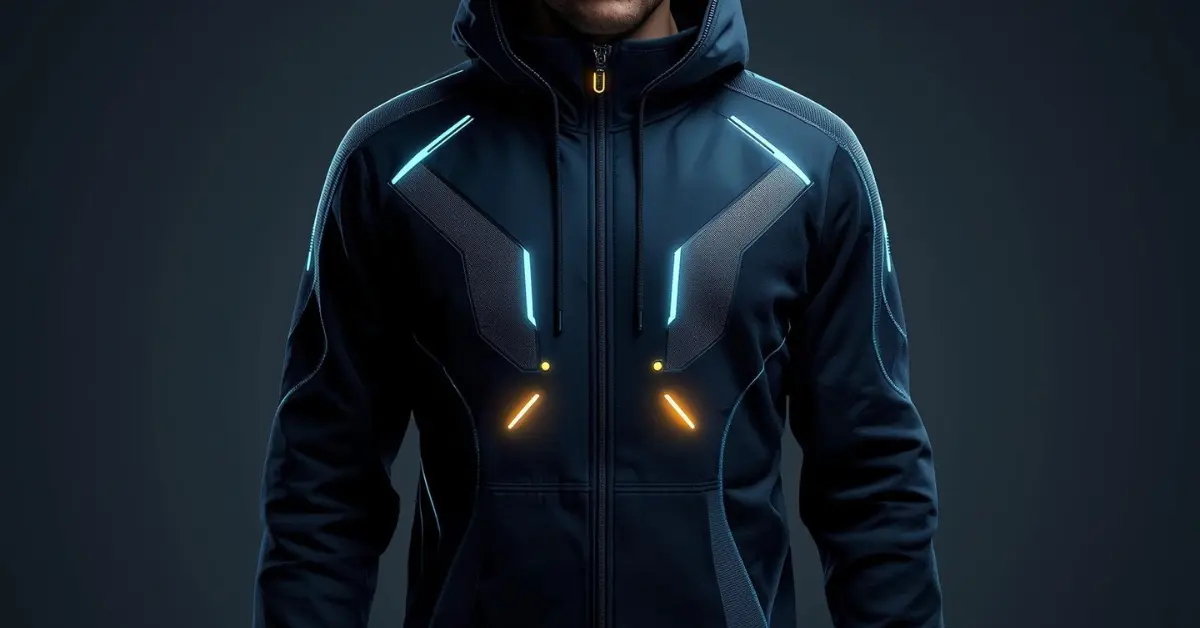
Smart clothing is no longer a futuristic concept—it’s becoming an integral part of modern clothing and fashion. Imagine wearing a jacket that monitors your heart rate, tracks your fitness, or even adjusts its temperature automatically. Yes, these are not just ideas—they are real innovations in smart wear clothing and smart apparel. In today’s digital era, these innovations are often called ‘technology clothes’—outfits that use embedded sensors, smart fabrics, and connectivity to enhance everyday wear. In simple words, smart clothing is the most advanced form of technology clothes, designed to combine fashion with intelligent functionality.
Many people wonder what smart clothing is and how it differs from regular clothing. In simple terms, smart clothes integrate advanced technology into fabrics, allowing them to sense, react, and communicate with the wearer or other devices. From conductive threads to tiny sensors, these innovations are transforming how we think about clothes.
The growing trend of smart wear clothing is visible in sports, healthcare, and everyday fashion. Smart garments like AIQ-enabled shirts or smart casual clothes for ladies and men are bridging the gap between technology and style. Companies are now designing smart apparel that is both functional and fashionable, making it easy for everyone to adopt.
At textiletrendshub.com, we explore these innovations in detail. For more insights, you can check our comprehensive guide, “Smart Textiles: The Future of Fashion, Healthcare & Innovation”.
In this blog post, we will explore the technology behind smart clothing, its popular examples, practical applications, benefits, challenges, and the future of smart clothes. By the end, you’ll understand how smart wear clothing is changing the fashion landscape and why it’s becoming a must-have in modern wardrobes.
Key Technology Components in Smart Clothing
Understanding smart clothing requires knowing the technology that powers it. Technology clothes and Smart clothes are not just ordinary clothes; they integrate advanced tech-based clothing and sensors to make smart wear clothes functional, interactive, and innovative. Let’s explore the key components that make intelligent clothing wearable technology possible.
1. Sensors in Smart Apparel (Heart Rate, Body Temperature)
One of the most important aspects of smart clothes with sensors is their ability to monitor the wearer’s body. Tiny sensors embedded in smart garments can track heart rate, body temperature, and other vital signs in real time. For example, fitness smart apparel like Nadi X yoga pants uses pressure sensors to monitor posture during exercise, providing feedback through a connected app. These sensors make intelligent clothing wearable technology highly practical for health and fitness applications.
2. Connectivity Features (Bluetooth, IoT, NFC)
Another vital component of smart technology in clothing is connectivity. Smart clothes often include Bluetooth, NFC, or IoT (Internet of Things) integration, which allows them to communicate with smartphones, tablets, or other devices. This means your smart wear clothing can send your heart rate, activity data, or environmental information directly to an app, making it easier to track health and performance. AIQ smart clothing often combines multiple connectivity features to create seamless user experiences.
3. Fabric Innovations (Conductive Threads, AI Textiles)
The magic behind intelligent garments lies in the fabric itself. Smart apparel uses conductive threads and AI-enabled textiles to transmit data from sensors without bulky devices. This innovation transforms ordinary clothing into functional smart garments that are lightweight, flexible, and comfortable. Designers are now creating smart wear clothes that look fashionable while hiding technology inside the threads.
4. Power & Battery Technology
Finally, smart clothing wearable technology relies on small but powerful batteries. These power sources must be compact yet efficient to keep smart apparel running for hours. Rechargeable and flexible batteries are being developed to make intelligent clothing with sensors more practical, comfortable, and ready for everyday use.
What Are Technology Clothes?
Technology clothes refer to garments that use advanced technologies like sensors, conductive threads, artificial intelligence, and wireless connectivity to perform smart functions. These clothes can track health data, respond to environmental changes, or communicate with digital devices.
Unlike traditional clothing, technology clothes are designed to interact with the wearer. Smart jackets, fitness shirts, and temperature-adjusting outfits are common examples. In fact, most smart clothing today falls under the broader category of technology clothes, making the terms closely connected in modern fashion and textile innovation.
Popular Smart Clothing Examples & Brands
Here are some well-known smart apparel brands around the globe and in India:
1. Global Smart Apparel Brands
When we talk about smart clothing examples, some global innovations have completely changed the way we see smart apparel today. One of the most famous projects is the Google Jacquard jacket, created in collaboration with Levi’s. This stylish denim jacket has touch-sensitive fabric that connects to your smartphone using Bluetooth. With just a swipe on your sleeve, you can answer calls, play music, or get navigation updates—a perfect example of how smart wear clothing blends technology with fashion.
Another popular name among smart apparel brands is Under Armour, known for its smart fitness gear. They are connected smart wear clothes and shoes that collect data about your movement, steps, and performance, helping you track your fitness goals. Similarly, companies like Ralph Lauren and Samsung have also introduced smart clothes examples like biometric shirts and thermal-regulating jackets for athletes and travellers.
These smart apparel brands are leading the global trend, proving that technology and fashion can go hand in hand.
2. Emerging Smart Apparel Brands in India
The growth of the smart clothing market in India is equally exciting. Many Indian startups are now developing tech-enabled clothing brands in India that focus on comfort, health, and sustainability. For example, some fitness-tech companies are creating yoga wear that monitors body posture and movement—similar to the famous Nadi X yoga pants.
Several Indian innovators are also working on breathable smart wear clothing suitable for the country’s climate. They aim to make smart apparel affordable and practical for everyday use.
As these smart clothing brands in India continue to evolve, they are helping more people experience the benefits of smart clothes without compromising on style. With growing awareness and technological advancements, India is quickly becoming a key player in the world of smart textiles.
Applications & Benefits of Smart Clothing
The world of technology clothes goes far beyond style—it’s transforming how people live, move, and take care of their health. These smart clothes combine fashion with intelligent systems, making everyday wear more functional and connected. From health tracking to stylish smart casual wear, let’s explore the amazing advantages that this innovation brings.
1. Health Monitoring & Wellness
One of the biggest smart clothing benefits is its ability to track your health in real time. These garments come with sensors that can measure heart rate, body temperature, posture, and even stress levels. For example, some fashion clothing designed for athletes sends health data directly to a smartphone app. This makes it easier to notice early signs of fatigue or dehydration. In hospitals too, smartwear clothing helps doctors monitor patients’ vital signs without bulky machines. It’s a new way to make healthcare smarter, safer, and more personal.
2. Fitness & Sports Applications
Smart clothes are also changing the fitness world. Runners, gym-goers, and yoga enthusiasts are now using clothes that monitor muscle activity and movement accuracy. This fitness tracking helps improve performance and prevent injuries. Sports brands have created casual wear and training suits with built-in stretch sensors to measure how muscles respond during workouts. Whether you’re lifting weights or practising yoga, these outfits make your exercise more effective and fun.
3. Fashion & Lifestyle Innovations
Beyond sports and health, intelligent garments are now making their mark in everyday fashion clothing. Designers are using technology to make outfits that change colour, light up, or react to touch. This blend of style and tech has given birth to a new wave of creativity in smart clothing. Many brands are experimenting with smart casual men’s collections and smart casual clothes for ladies, giving professionals and trendsetters something truly futuristic to wear. The result? A perfect balance between function, innovation, and personal expression.
4. Smart Casual Wear & Everyday Comfort
The new generation of smart casual for women and men is all about comfort and connectivity. These clothes can adjust temperature based on the weather and keep you cool during summers and warm in winters. Some even use tiny batteries or solar panels to power heating elements. Apart from being fashionable, this casual wear provides improved comfort and functionality for daily life.
In short, smart clothing is redefining how we dress, blending technology with style and practicality. As this field grows, people can expect clothes that don’t just look good—they think, react, and care for you.
Challenges in Smart Clothing Adoption
While smart clothing has made incredible progress in technology and design, it still faces some big challenges that slow down its wide adoption. From washability problems to battery life limitations, manufacturers and users both have hurdles to overcome before smart garments become a common part of everyone’s wardrobe. Since technology clothes rely on embedded electronics, issues like washability, battery life, and comfort become important challenges.
1. Washability Issues
One of the biggest problems with smart wear clothing is washability. Regular clothing can be washed easily, but when electronic sensors, chips, and wires are stitched into the fabric, it becomes difficult to clean them without causing damage. Even though some brands have created water-resistant designs, repeated washing can still reduce the fabric’s performance or break the sensors. This makes care and maintenance a major concern for consumers.
2. Limited Battery Life
Another issue with smart clothing is battery life. Since most smart garments depend on small batteries to power sensors and Bluetooth systems, users must recharge them often. Long-term use, especially during workouts or daily wear, can drain the battery quickly. Until new energy-efficient or self-charging solutions are developed, battery limitations will remain a key barrier to mainstream use.
3. Comfort and Design Challenges
Even though smart wear clothing looks stylish, comfort can sometimes be an issue. Extra layers of wiring or sensors may make the outfit heavier or less flexible. Designers are now trying to use softer, lighter materials that feel just like normal clothing while still offering high-tech features.
4. Price and Accessibility
High cost is another challenge. Since smart clothing requires advanced technology, production costs are higher than standard clothes. As a result, many people find it too expensive. However, as more brands enter the market and production scales up, prices are expected to drop, making smart garments more affordable for everyday users.
Future Trends in Smart Clothes
The future of tech-enabled clothing looks brighter than ever as fashion and technology continue to blend in exciting ways. With rapid growth in smart clothing and wearable technology, we can expect to see garments that are not only stylish but also intelligent enough to support daily life. As technology clothes evolve, future garments will become more adaptive, sustainable, and deeply integrated with artificial intelligence and IoT systems.
One of the biggest trends is AI- and IoT-integrated clothing. Imagine a smart garment that automatically adjusts temperature when you feel hot or cool, or an AIQ smart clothing shirt that tracks stress levels and suggests relaxation activities. Artificial intelligence and the Internet of Things allow these clothes to “learn” your behaviour and adapt to your needs—making smart wear clothing truly interactive and personal.
Another promising direction is the rapid expansion of smart clothing in India. Indian startups and designers are exploring ways to make smart apparel affordable and accessible to local consumers. From fitness T-shirts that monitor workouts to jackets with built-in safety alerts, innovation in fashion clothing is picking up pace across India’s tech and textile sectors.
Sustainability is also shaping the next wave of smart clothes. Future smart garments will be made with eco-friendly materials and low-energy components, helping reduce waste and carbon impact. These innovations will allow fashion to stay trendy while protecting the planet.
The coming years will redefine how we dress, combining comfort, performance, and intelligence. The world of smart clothing and wearable technology is not just a trend—it’s the next chapter in the story of modern fashion clothing.
Conclusion
The rise of technology clothes, and smart clothing is transforming how we wear, use, and interact with fashion in daily life. These innovative smart garments combine fashion and technology, bringing comfort, health tracking, and creativity together. Whether it’s smart wear clothing for fitness or smart casual wear for men and women, the future of smart clothes promises endless possibilities.
As new smart apparel and smart clothing technology continue to evolve, we can expect smarter designs, sustainable fabrics, and more accessible prices in the coming years.
For a complete understanding of how these intelligent fabrics are made and used, visit textiletrendshub.com and explore our detailed guide—Smart Textiles and Smart Fabrics Guide. Discover how fashion and innovation unite to shape the future of what we wear every day.

Q1. What is smart clothing?
Smart clothing, also known as technology clothes, refers to garments embedded with technology such as sensors and AI-enabled fabrics that can monitor health, fitness, or the environment. Unlike regular clothing, technology clothes can sense, react, and communicate with devices or apps, making them both functional and stylish.
Q2. How do these clothes work?
These smart garments use sensors, connectivity, and conductive threads to track heart rate, body temperature, and posture. The collected data is sent to apps or devices, helping users improve fitness, wellness, and daily performance.
Q3. What are some popular examples?
Examples of smart wear clothing include the Google Jacquard jacket, Under Armour smart gear, and Nadi X yoga pants. These smart apparel pieces combine fashion and technology, offering health tracking and interactive features.
Q4. Which brands offer smart clothes in India?
Several Indian startups now create tech-enabled clothing for fitness and everyday comfort. They focus on breathable fabrics, posture-monitoring yoga wear, and affordable smart garments, helping people adopt wearable tech clothing locally.
Q5. What are the main components of smart garments?
Key technology clothes components include:
1. Sensors for vitals and posture
2. Connectivity via Bluetooth or IoT
3. Conductive threads and AI fabrics
4. Compact batteries powering the tech
These components make technology clothes and smart apparel practical and interactive.
Q6. How does smart clothing help in fitness and health?
The benefits of smart clothing include real-time monitoring of health, tracking workouts, and improving posture. Fitness enthusiasts and athletes can use smart wear clothing to get feedback during exercises or monitor vital signs safely and efficiently.
Q7. Can smart apparel be used in daily fashion?
Yes, many smart casual clothes for ladies and men are designed to combine style and functionality. These clothes may adjust temperature, react to touch, or include interactive features, making them perfect for everyday wear and professional settings.
Q8. What challenges do smart clothes face?
Some common challenges are:
1. Washability — sensors may be damaged
2. Battery life — limited runtime
3. Comfort and design — extra tech can feel heavy
4. Price — often higher than regular clothing
Q9. What’s the future of smart clothing?
The future of technology clothes and smart clothing will include AI- and IoT-integrated garments, sustainable fabrics, and affordable designs. Smart apparel will adapt to user needs, learn behaviours, and make everyday wear intelligent and functional.
Q10. Where can I learn more about smart textiles and fabrics?
Visit textiletrendshub.com for a complete guide. Their Smart Textiles and Smart Fabrics Guide explains technology, benefits, applications, and trends, helping readers understand the evolving world of smart garments and wearable tech.


