


Introduction
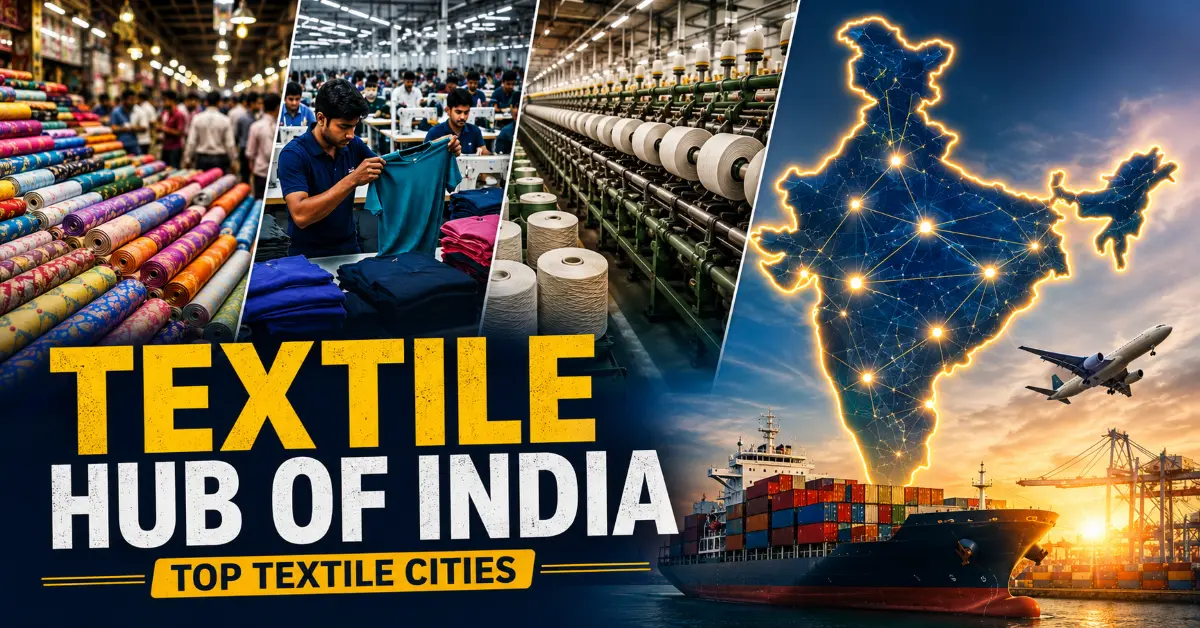
The textile hub of India is one of the most searched topics in the textile industry in India because the country is home to many powerful textile cities and manufacturing clusters. From cotton mills to garment factories, India has become a global leader in textile manufacturing and fabric production. Millions of people work in the textile sector in India, making it one of the largest industries in the country.
India is famous for its growing textile market in India, high-quality fabrics, traditional weaving skills, and modern production systems. Cities like Surat, Tiruppur, and Ahmedabad are known as major textile hubs in India because they produce huge amounts of yarn, garments, and fabrics every year. These cities also support exports and create large-scale employment opportunities.
As the textile hub of India continues to grow, many industry experts and platforms like textiletrendshub.com regularly highlight the latest trends, manufacturing growth, and future opportunities in the Indian textile sector.
Want to understand how the Indian textile sector is growing rapidly and shaping the economy? Explore our detailed guide on the textile industry in India to learn about its market growth, economic impact, major sectors, and future opportunities.
What Is a Textile Hub of India?
A textile hub of India is a city or region where large-scale textile manufacturing takes place. These hubs include factories, spinning mills, weaving units, dyeing centres, and garment production companies that work together in one area. A strong textile sector helps these cities grow economically and creates jobs for thousands of people.
Every major textile hub of India plays an important role in the complete textile supply chain. Raw materials like cotton or yarn are processed into fabrics and finally converted into finished garments and home textile products. This system improves production speed, reduces transportation costs, and supports better business growth.
Many textile hubs are also known as the ‘textile cities of India’ because they specialise in fabric production, garment exports, or spinning activities. Today, textile production in India continues to grow due to modern technology, skilled workers, and increasing global demand for Indian textiles.
Why India Is a Global Textile Leader
India is considered one of the world’s strongest textile producers because of its large manufacturing network, skilled workforce, and growing export market. The country has built the biggest textile industry in India through decades of experience in fabric production, garment manufacturing, and textile exports. Today, India supplies textiles and clothing products to many countries across the world.
One major reason behind this growth is the strong cotton textile industry in India. India is one of the largest cotton producers globally, which helps textile manufacturers get raw materials easily. This supports both the fabric industry in India and the fast-growing clothing industry in India. Cities across the country produce cotton fabrics, synthetic textiles, yarn, and ready-made garments on a massive scale.
The success of the garment industry in India also comes from skilled labour, modern technology, and advanced manufacturing systems. Many textile factories now use modern machines to improve quality and production speed. According to insights shared by textiletrendshub.com, the demand for Indian textiles is increasing globally because of quality products, competitive pricing, and strong export capabilities.
Major Textile Hubs in India
India is home to several powerful major textile hubs in India that support fabric production, garment manufacturing, exports, and employment generation. Every textile hub of India plays a different role in strengthening the textile industry and boosting the country’s economy. Some cities are famous for cotton production, while others lead in synthetic fabrics, knitwear, or home textiles. These textile hubs in India have helped the country become a global leader in the textile sector in India. Below are some of the most important textile cities and manufacturing centres across the country.
Surat – Biggest Textile Market in India
Surat is widely known as the biggest textile market in India and one of the strongest examples of a successful textile hub in India. The city plays a major role in the textile industry in Gujarat and is famous for producing synthetic fabrics, sarees, and dress materials. Thousands of powerloom units operate in Surat, making it an important textile city of India. The city supplies fabrics to many parts of the country and also supports exports. Surat’s fast production system and strong business network make it one of the top textile hubs in India today.
Ahmedabad – Textile Capital of India
Ahmedabad is often called the textile capital of India because of its long history in cotton manufacturing. This famous textile hub of India is also known as the “Manchester of India” due to its large number of cotton mills and textile factories. The city has played an important role in the growth of the cotton textile industry in India for many years. Ahmedabad continues to support fabric production, textile trading, and industrial development. Its rich textile heritage makes it one of the most respected major textile hubs in India.
Panipat – The Textile Hub of India
Panipat is famous for home furnishing products and is popularly searched as the ‘Textile Hub of India, Panipat’. This growing textile hub is known for blanket manufacturing, carpets, rugs, and recycled yarn production. Panipat has built a strong position in the textile market in India because of its affordable and high-quality home textile products. Many local factories and weaving units operate here, creating employment opportunities for thousands of workers. Today, Panipat is considered one of the leading textile hubs in India for home textiles and recycling industries.
Tiruppur – Textile Hub of South India
Tiruppur is recognised as the textile hub of South India and a major centre for knitwear exports. This powerful textile hub of India is also known as an important textile city of Tamil Nadu because of its strong hosiery and garment manufacturing sector. The city contributes greatly to the textile industry in Tamil Nadu and supports the growing garment industry in India. Tiruppur exports T-shirts, sportswear, and knitted garments to many countries around the world. Its export strength and production capacity make it one of the top major textile hubs in India.
Mumbai – Historic Textile City in India
Mumbai has a rich textile history and remains an important textile city in India. In the early days of industrial growth, the city became famous for its cotton mills and textile trading activities. Mumbai also played a key role in the development of the textile industry in India, state-wise, through manufacturing and exports. Even today, the city remains connected to fashion, fabric trading, and business operations. Mumbai’s historical importance makes it a respected textile hub of India.
Coimbatore – Spinning & Yarn Hub
Coimbatore is one of the leading yarn-producing cities and an important textile hub of India. The city is famous for spinning mills, yarn production, and modern textile machinery. Many leading textile manufacturers in India operate in this region. India’s spinning ecosystem is closely connected with the growth of textile mills in India. You can also explore our detailed guide on textile mills in India to learn more about this sector.
Bhilwara – Textile City of Rajasthan
Bhilwara is widely known as the textile city of Rajasthan because of its strong fabric manufacturing industry. This growing textile hub of India is famous for suiting fabrics, synthetic textiles, and industrial cloth production. The city has become an important part of the fabric industry in India and continues to attract textile businesses and investors. Bhilwara’s fast-growing production sector has strengthened its position among the rising textile hubs in India.
Ichalkaranji – Manchester of Maharashtra
Ichalkaranji is popularly known as the ‘Manchester of Maharashtra’ because of its strong powerloom and textile manufacturing industry. This growing textile hub of India is famous for fabric production, spinning units, and textile businesses. The city plays an important role in the textile industry in India, state-wise, and supports thousands of workers connected to weaving and garment production. Ichalkaranji has become an important textile city in India due to its fast-growing industrial development and modern textile ecosystem.
Textile Industry in India: State-Wise Distribution
The textile hub of India is spread across many states, and each region plays a unique role in the growth of the textile industry in India, state-wise. Different states are known for different textile products based on raw materials, skilled workers, climate, and industrial development. This strong distribution of the textile industry in India helps the country produce a wide variety of fabrics, garments, and textile products.
The textile industry in Gujarat is famous for cotton fabrics, synthetic textiles, and large textile markets. Cities like Surat and Ahmedabad are major manufacturing centres and are often called the cotton cities in India because of their strong cotton production and processing industries.
The textile industry in Tamil Nadu is known for spinning mills, knitwear manufacturing, and garment exports. Cities like Tiruppur and Coimbatore play a major role in India’s textile exports and make the state an important textile hub of India.
Similarly, the textile industry in West Bengal is widely known for jute production and traditional textile activities, while Maharashtra remains important for cotton processing and textile trade. Together, these states strengthen the textile hub of India and support the country’s growing textile economy.
Biggest Textile Industry and Market Size in India
The textile hub of India plays a major role in strengthening the country’s economy and manufacturing sector. Today, the Indian textile sector is considered one of India’s largest industries. In fact, many experts describe it as the biggest textile industry in India because of its strong contribution to jobs, exports, and industrial growth. The rising textile industry market size in India shows how quickly the sector is expanding in both domestic and international markets.
India produces a wide range of textile products, including cotton fabrics, garments, yarn, home textiles, and technical textiles. Many cities that are part of the textile hub of India are helping increase production and exports every year. The country is also home to several top textile companies in India that supply products across global markets.
Government schemes such as PLI, PM MITRA Parks, and export support programmes are helping the industry grow faster. Many reports also highlight the strong future of the Indian textile sector due to rising global demand and improved manufacturing technology. Several studies covering the top 10 textile industry in India also show positive long-term growth.
You can also explore our guide on the top textile industry in India to learn about leading companies and manufacturing leaders.
Future of the Textile Sector in India
The future of the textile sector in India looks very promising because the industry is rapidly adopting new technologies and sustainable practices. As the demand for eco-friendly fabrics and smart clothing increases, the textile hub of India is also evolving with modern manufacturing methods and advanced production systems. Many companies are now focusing on smart textiles, recycled fabrics, and energy-efficient production to improve the future of the industry.
The growth of technical textiles is another major reason why the textile hub of India is expected to expand in the coming years. Products used in healthcare, automobiles, sports, and construction are increasing the demand for advanced textile materials. At the same time, rising exports and strong global demand are supporting textile production in India and the clothing industry in India. Experts also believe that the future of the garment industry in India will create more jobs, improve exports, and strengthen India’s position in the global textile market.
To learn more about upcoming innovations, sustainability trends, and future growth opportunities, read our detailed guide on the future of the textile industry in India.
Conclusion
The textile hub of India continues to play a major role in the growth of the textile industry by supporting manufacturing, exports, employment, and innovation. From Surat and Ahmedabad to Tiruppur and Panipat, many leading textile hubs in India have helped the country become a global textile leader. Every major textile city of India contributes to fabric production, garment manufacturing, and the export market.
With growing demand, modern technology, and government support, the future of the Indian textile sector looks very strong. If you want to learn more, you can also explore related guides on the textile industry in India and the overall growth of the Indian textile sector on textiletrendshub.com.
To understand the complete journey of cotton manufacturing, production, major textile states, and future opportunities, explore our detailed guide on the cotton textile industry in India and discover how it continues to shape the Indian textile sector.

Q1. Which state is known as the textile hub of India?
There is no single state officially called the textile hub of India because different states specialise in different textile sectors. Gujarat is famous for cotton and synthetic fabrics, while Tamil Nadu is known for spinning mills and garment exports. States like Maharashtra, Haryana, and West Bengal also play an important role in the Indian textile industry.
Q2. Which is the biggest textile market in India?
Surat is widely recognised as the biggest textile market in India because of its massive production of synthetic fabrics, sarees, and dress materials. The city has thousands of powerloom units and supplies fabrics across India and international markets.
Q3. Why is Tiruppur called the textile hub of South India?
Tiruppur is called the textile hub of South India because it is one of the largest centres for knitwear and garment exports. The city is famous for producing T-shirts, sportswear, and hosiery products that are exported to many countries around the world.
Q4. Why is Ahmedabad known as the textile capital of India?
Ahmedabad is known as the textile capital of India because of its long history in cotton manufacturing and textile mills. This important textile hub of India played a major role in the growth of the cotton textile industry and earned the nickname “Manchester of India”. Even today, Ahmedabad remains one of the most respected textile manufacturing centres in the country.
Q5. What makes India a global textile leader?
India has become a global textile leader because of its strong manufacturing network, skilled workforce, large cotton production, and growing export market. The textile hub of India continues to attract businesses and investors because of modern textile technology, affordable production, and increasing global demand for Indian fabrics and garments.
Q6. Which city is famous for home textile production in India?
Panipat is one of the most famous cities for home textile production in India. This growing textile hub of India is widely known for blankets, carpets, rugs, and recycled yarn products. Over the years, Panipat has developed a strong reputation in the home furnishing and textile recycling industry.
Q7. What products are mainly produced in the textile hubs in India?
Major textile hubs in India produce a wide range of products such as cotton fabrics, synthetic textiles, yarn, garments, sarees, knitwear, home textiles, and technical textiles. Different cities specialise in different textile products based on their industrial strengths.
Q8. Why is the Indian textile industry important for the economy?
The Indian textile industry creates millions of jobs and supports exports, manufacturing, and business growth. It is one of the largest industries in the country and contributes significantly to India’s economy through textile production and garment manufacturing.
Q9. What is the future of the textile sector in India?
The future of the Indian textile sector looks promising because companies are adopting sustainable manufacturing, smart textiles, and advanced production technologies. Rising exports and global demand are also helping the industry grow rapidly.
Q10. Why are textile cities important in India?
Every major textile city helps strengthen the Indian textile ecosystem by supporting production, exports, employment, and industrial growth. Cities connected to the textile hub of India play an important role in supplying fabrics and garments to both domestic and global markets.


